 CCTV Cloud Storage
 Why CCTV Cameras with Cloud Storage Are Better Than Traditional DVR Systems
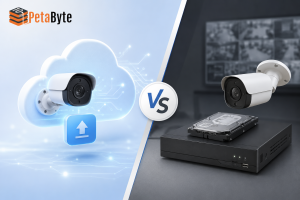
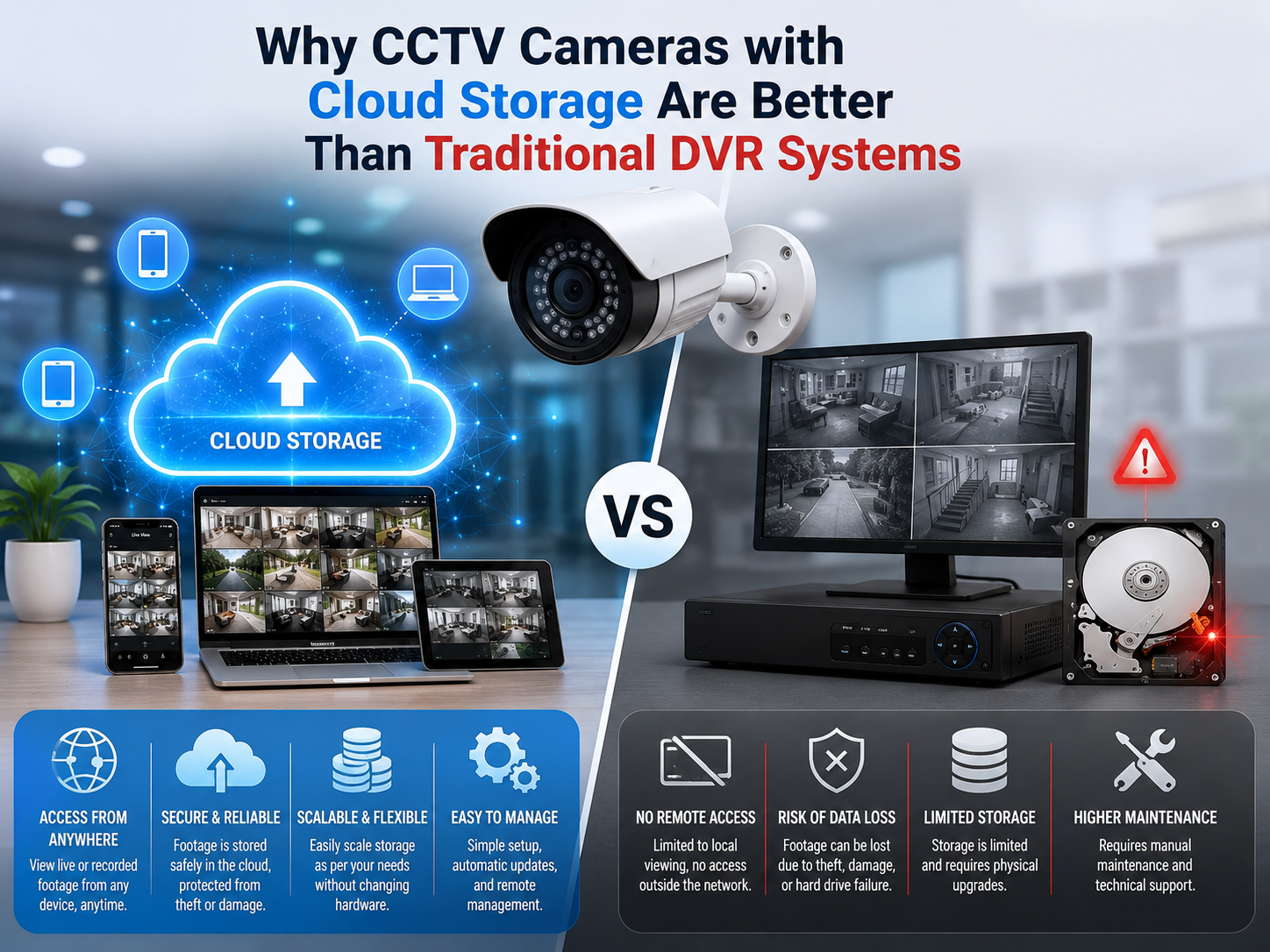
The issue of security is now one of the top priorities for businesses. Even though traditional DVR systems have been used before, they pose challenges such as insufficient storage, dependence on hardware, and difficult maintenance. As a result, businesses are now transitioning from DVRs to cloud-based surveillance systems.
A CCTV camera with cloud storage enables a business to upload footage on the internet and manage surveillance through the web. The reason why many businesses opt for cloud surveillance systems is because of flexibility, high levels of security, and scalability. 10 petabytes can help any business establish cloud infrastructure.
Understanding Traditional DVR Systems
Traditional DVR is an acronym for Digital Video Recorder, a surveillance system that stores video recordings using local hard drives installed on the CCTV cameras. DVR systems have been useful over the past few years; however, there are various disadvantages associated with such surveillance systems.
Some of the limitations of DVR include the following:
- Insufficient storage capacity.
- Risk of hardware damage.
- Complex wiring and installation process.
- Challenges in maintenance.
- Poor remote connectivity.
- Costly storage upgrades.
In case the DVR device is stolen, damaged, or suffers from a system corruption, then accessing surveillance footage becomes impossible.
What Is Cloud-Based CCTV Surveillance?
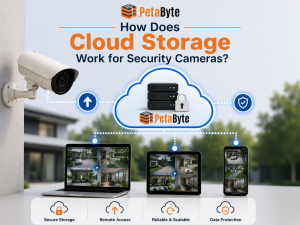
In cloud-based systems, rather than using solely hardware for storage purposes, video recordings are stored remotely and securely in cloud servers. The cloud storage CCTV camera makes it possible for a user to view either live or recorded video feed from their smartphone or other electronic gadgets from wherever they may be.
One major factor behind the shift by many companies towards cloud-based surveillance cameras is that it provides a lot of advantages over DVRs, such as:
- Remote monitoring
- Automatic backups.
- Centralized management.
- Scalable storage.
- Secure encrypted storage.
- System maintenance becomes easy.
Key Benefits of CCTV Cameras with Cloud Storage
- Remote Surveillance and Accessibility:
The most prominent benefit that comes from security cameras backed up by clouds is that of remote accessibility. The owners of the business as well as the security personnel can view live video feeds as well as recordings using the internet-enabled devices.
It is particularly beneficial for:
- Businesses in the retail sector.
- Warehouses.
- Offices.
- Hospitals.
- Educational institutions.
- Enterprises with multiple locations.
- Improved Data Security and Backup Solutions
Improved Data Security and Backup Solutions:
The conventional DVR system can be affected by hardware issues, thefts, and damages. The cloud-based CCTV camera system ensures that the recorded data is stored safely on a cloud platform using sophisticated backup and encryption techniques.
In case of any damage to local devices, the data will still remain safe and accessible on the cloud.
Some advantages of cloud-based CCTV include the following:
- Automatic data backup.
- Secured and encrypted data.
- Video management.
- Controlled access to users.
- Scalability of Business Needs:
As the business grows, the need for surveillance increases too. Conventional DVR solutions may demand extra investment in terms of hardware and storage whenever there is an increase in the coverage of the camera.
A cloud surveillance camera offers scalable solutions that help organizations increase storage capabilities and deploy cameras without changing existing infrastructure. A cloud surveillance solution is perfect for
- Expanding companies.
- Startups.
- Smart offices.
- IT setup.
- Multiple-branch companies.
- Reduced Maintenance and Operating Expenses:
Maintenance costs for DVR systems are often high since they require frequent replacements and upgrading as well as proper maintenance.
The installation of a cloud security camera system helps reduce these costs, as it lessens the need for a DVR system. Small business owners often favor cloud surveillance systems because maintenance can become costly.
Cloud cameras are automatically updated with software that increases their functionality and improves their cybersecurity measures.
- Enhanced Storage Management:
The storage constraints of conventional DVR systems are among the major disadvantages that such systems have. In cases where the local storage space is filled, the stored videos are likely to be replaced with other critical footage.
Using cloud video storage helps overcome this issue since you get to benefit from customizable cloud storage plans depending on your needs as a company.
Advantages of using cloud video storage include:
- More retention time for videos.
- Archival security for video footage.
- Retrieval of videos easily.
- Centralized monitoring.
- More flexible storage space.
- Smart Technology and Smart Surveillance:
In today’s world, new advancements have been incorporated into the surveillance system that make the process of monitoring and operation easy and efficient.
Some of the features that a smart CCTV camera with cloud storage can include are:
- Motion alerts.
- Mobile notifications.
- Artificial intelligence in surveillance.
- Real-time monitoring.
- Easy Installation through the use of wireless technology:
Traditional DVR-based systems are usually complicated when it comes to their installation process. This is where surveillance cameras supported by the cloud become more flexible as they employ wireless technology.
It makes it easy to install when the wireless CCTV camera with the cloud storage system is used.
Similarly, a WiFi CCTV camera with cloud storage makes it easy to install, as it can be connected through the current internet system you have.
The wireless security surveillance system can benefit you, especially if:
- Small office.
- A retail shop.
- A residential building.
- A temporary security system.
- A remote business place.
Why Businesses Are Slowly Switching
Most businesses today don’t just want security—they want simplicity and flexibility too.
Cloud surveillance fits that shift. It reduces technical complexity while improving accessibility and control. While traditional DVR systems still work well for small setups, they often become less efficient as storage demands and remote access needs continue to grow.
Industries where adoption is growing include:
- Healthcare.
- Banking and finance.
- Manufacturing.
- Education.
- IT and data centers.
As systems become more digital, cloud-based surveillance naturally fits into that direction.
How 10 Petabytes Supports Modern Infrastructure
Businesses implementing cloud surveillance systems also require reliable cloud infrastructure and secure connectivity solutions. 10PB is an enterprise-grade cloud service provider that supports businesses in building secure and scalable infrastructure for modern surveillance systems. In many real deployments, such infrastructure plays a key role in ensuring that surveillance data remains stable, accessible, and protected.
How a Micro Data Center Enhances CCTV Cloud Storage
A micro data center can complement CCTV cloud storage by providing local processing, storage, and network reliability closer to surveillance cameras. This helps reduce latency, improve video performance, and ensure continuous recording even during internet disruptions. By combining cloud storage with a micro data center, businesses gain better security, faster access to footage, and a more resilient surveillance
Conclusion
Today, surveillance is not merely about video recording; instead, it involves accessing your recorded data whenever required, securing it, and scaling it without hassle.
A surveillance system incorporating CCTV cameras with cloud storage is the way to make such a transition easy. It does away with many constraints associated with traditional DVR-based systems and offers a more modern solution.
With the help of 10PB, businesses will be able to transition into such surveillance systems without worrying about technological complexities. Instead, it is about simplifying security practices for the future.