
 Cloud Storage, Cloud Storage for Security, Disaster recovery
 Patient Data Loss Can Destroy Hospital Trust Overnight
In today’s healthcare environment, hospitals rely heavily on digital systems to manage patient records, diagnostics, prescriptions, billing, and emergency services. While technology has improved healthcare operations significantly, it has also increased the risk of patient data loss. Even a single incident involving inaccessible medical records can interrupt treatments, delay emergency care, and damage patient trust.
For healthcare organizations, trust is everything. Patients share highly sensitive information expecting hospitals to keep it secure, private, and available whenever needed. When patient data loss happens because of cyberattacks, hardware failures, accidental deletion, or outdated systems, the impact can quickly become serious.
Modern hospitals must now focus on stronger backup infrastructure, secure storage systems, and faster recovery strategies to reduce operational risks and maintain uninterrupted patient care.
Why Patient Information Requires Strong Protection
Patient information is more than just digital files stored on servers. It directly supports treatment decisions, hospital operations, and patient safety.
Healthcare professionals regularly access the following:
- electronic medical records
- lab reports
- imaging files
- prescriptions
- insurance details
- treatment history
Quick access to this information helps doctors make informed medical decisions without delay. However, when patient data loss occurs during emergencies or critical care situations, healthcare teams may struggle to respond effectively.
Hospitals are also expected to maintain strict privacy standards. Weak security systems or poor data management practices can reduce patient confidence and negatively affect a hospital’s reputation.
Healthcare Is Facing Increasing Cyber Threats
Healthcare organizations have become major targets for cybercriminals because they store large amounts of confidential information. One of the fastest-growing threats today is ransomware.
Ransomware attacks can lock hospital systems and prevent access to important records until a payment demand is met. These incidents can disrupt surgeries, delay diagnostics, interrupt communication, and increase operational pressure.
Because hospitals depend heavily on real-time access to digital systems, even short periods of downtime can create serious challenges. Strong ransomware protection and reliable backup systems are now essential for reducing the impact of patient data loss.
To improve operational resilience, many healthcare providers are investing in secure cloud storage platforms and recovery-focused infrastructure designed to maintain continuity during unexpected disruptions.
The Impact of Data Loss on Hospitals
The consequences of patient data loss extend far beyond technical problems. Hospitals may face operational, financial, and reputational challenges that affect long-term stability.
Loss of Patient Confidence
Patients trust healthcare providers to protect their personal information. If hospitals experience patient data loss or major data breaches, people may begin questioning whether their information is truly secure.
Disruption in Hospital Operations
Doctors, nurses, and administrative teams rely on digital systems every day. Limited access to records can slow workflows, delay treatments, and create coordination issues across departments.
Financial Consequences
Recovering from data-related incidents can become expensive. Hospitals may face infrastructure recovery costs, downtime expenses, compliance issues, and loss of patient trust.
Reputation Damage
Healthcare data incidents often receive significant public attention. Even one major case of patient data loss can affect a hospital’s reputation for years.
Because of these risks, healthcare organizations are investing more in reliable data backup and recovery systems to improve operational stability and reduce downtime.
Why Reliable Backup Infrastructure Matters
Traditional storage methods are no longer enough for modern healthcare environments where hospitals generate massive amounts of digital information every day.
Healthcare organizations require backup systems that can:
- secure critical medical records
- restore information quickly
- minimize downtime
- support continuous operations
- handle future data growth
A reliable cloud backup strategy allows hospitals to recover important information faster during system failures, cyber incidents, or accidental deletion.
Many organizations are now adopting scalable cloud storage platforms because they provide better flexibility, accessibility, and operational reliability compared to traditional infrastructure.
The Growing Role of Cloud Storage in Healthcare
Healthcare data continues to grow because of electronic medical records, telemedicine services, connected healthcare devices, and medical imaging technologies.
Managing this growth using only physical infrastructure can become expensive and difficult to scale. Modern cloud storage solutions help healthcare organizations improve accessibility, efficiency, and operational continuity.
Cloud-based systems can help hospitals
- automate backups
- improve accessibility
- support secure remote access
- reduce infrastructure complexity
- improve recovery readiness
- strengthen operational continuity
Reliable cloud backup systems also help ensure patient information remains protected during technical failures or cyber incidents.
Solutions like 10PB Cloud Storage support healthcare organizations with scalable and secure storage environments designed for modern operational requirements.
Fast Recovery Is Critical in Healthcare
In healthcare, delays can directly affect patient care and hospital efficiency. Hospitals require dependable data recovery systems that can restore important records quickly during emergencies.
Fast recovery becomes especially important during:
- ransomware attacks
- server failures
- accidental deletion
- power outages
- natural disasters
Without proper recovery systems, patient data loss can disrupt healthcare services and create operational confusion.
An effective disaster recovery strategy helps healthcare organizations restore systems faster while minimizing downtime and maintaining continuity during unexpected incidents.
Regular recovery testing is also important because hospitals need confidence that backup systems will function properly during real emergency situations.
Why Disaster Recovery Planning Is Essential
Cyberattacks are not the only risks healthcare facilities face. Hospitals must also prepare for floods, electrical failures, fires, hardware malfunctions, and other unexpected disruptions.
A strong disaster recovery strategy helps organizations:
- reduce downtime
- improve emergency response
- restore systems faster
- maintain patient services
- minimize operational disruption
Hospitals with proper recovery planning are often better prepared to handle incidents involving patient data loss without significantly affecting patient care.
Strengthening Cyber Security in Hospitals
As healthcare infrastructure becomes increasingly digital, improving cyber security has become essential.
Hospitals should focus on:
- Regular software updates
- Multi-factor authentication
- Employee cybersecurity awareness training
- Encrypted backup systems
- Access management controls
- Continuous threat monitoring
- Secure offsite backup storage
Combining these practices with reliable data backup and recovery infrastructure helps healthcare organizations improve resilience against operational failures and cyber threats.
Building a More Secure Healthcare Environment
Modern healthcare organizations require storage infrastructure that is secure, scalable, and recovery-focused.
10PB Cloud Storage helps healthcare providers improve backup reliability, recovery readiness, and operational continuity through enterprise-grade storage solutions designed for growing healthcare data environments.
As healthcare technology continues to evolve, hospitals need modern infrastructure capable of supporting secure and uninterrupted patient care while reducing operational risks related to patient data loss.
Conclusion
Patient data loss is no longer just a technical concern. It can directly affect hospital operations, treatment efficiency, patient confidence, and long-term reputation.
Healthcare organizations must invest in secure cloud storage, reliable data backup and recovery systems, strong ransomware protection, and effective cyber security strategies to minimize operational risks and maintain uninterrupted healthcare services.
By strengthening backup infrastructure and improving disaster recovery planning, hospitals can better protect sensitive patient information and continue delivering secure and reliable healthcare services.
Frequently Asked Questions (FAQs)
1. Why is data backup and recovery important for hospitals?
Hospitals manage highly sensitive patient information that must remain accessible at all times. Reliable backup and recovery systems help healthcare organizations restore important records quickly during cyberattacks, hardware failures, accidental deletion, or unexpected disruptions.
2. How does cloud storage help healthcare organizations?
Cloud storage solutions help hospitals securely manage large volumes of patient data while improving scalability, accessibility, and operational efficiency. These systems also support secure remote access and faster recovery during emergencies.
3. What is ransomware protection in healthcare?
Ransomware protection refers to security measures designed to prevent hackers from locking hospital systems and demanding payment to restore access. Hospitals use secure backups, encryption, monitoring tools, and cybersecurity practices to reduce these risks.
4. What should a hospital disaster recovery plan include?
An effective disaster recovery plan should include backup procedures, recovery timelines, emergency response protocols, secure offsite storage, and regular recovery testing to ensure hospitals can continue operations during unexpected incidents.
5. How can hospitals improve cyber security for patient data?
Hospitals can strengthen cyber security by implementing multi-factor authentication, encrypted backups, regular software updates, access control systems, employee cybersecurity training, and secure backup infrastructure.
6. How can micro data center improve healthcare data security?
Micro data center help hospitals improve data security by providing localized, secure, and reliable infrastructure for storing and processing critical patient information. They support faster access to medical records, reduce downtime risks, and strengthen overall healthcare IT operations.
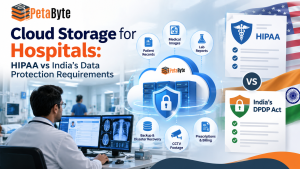
Cloud Storage for Hospitals: HIPAA vs India’s Data Protection Requirements
September 26, 2026
Cloud Data Archiving: The Complete Guide for Businesses in 2026
September 7, 2026