
Use cloud computing and virtualization to run applications smoothly, scale resources when needed, and manage your infrastructure easily while keeping your business fast, flexible, and secure.
Start Free — Get 10GBAssuming that you have ever operated physical servers, you understand how the things can become tricky with the course of time. Businesses often face:
Here the virtualization of the cloud computing comes in to play. It addresses the common issues that physical infrastructure cannot deal with.
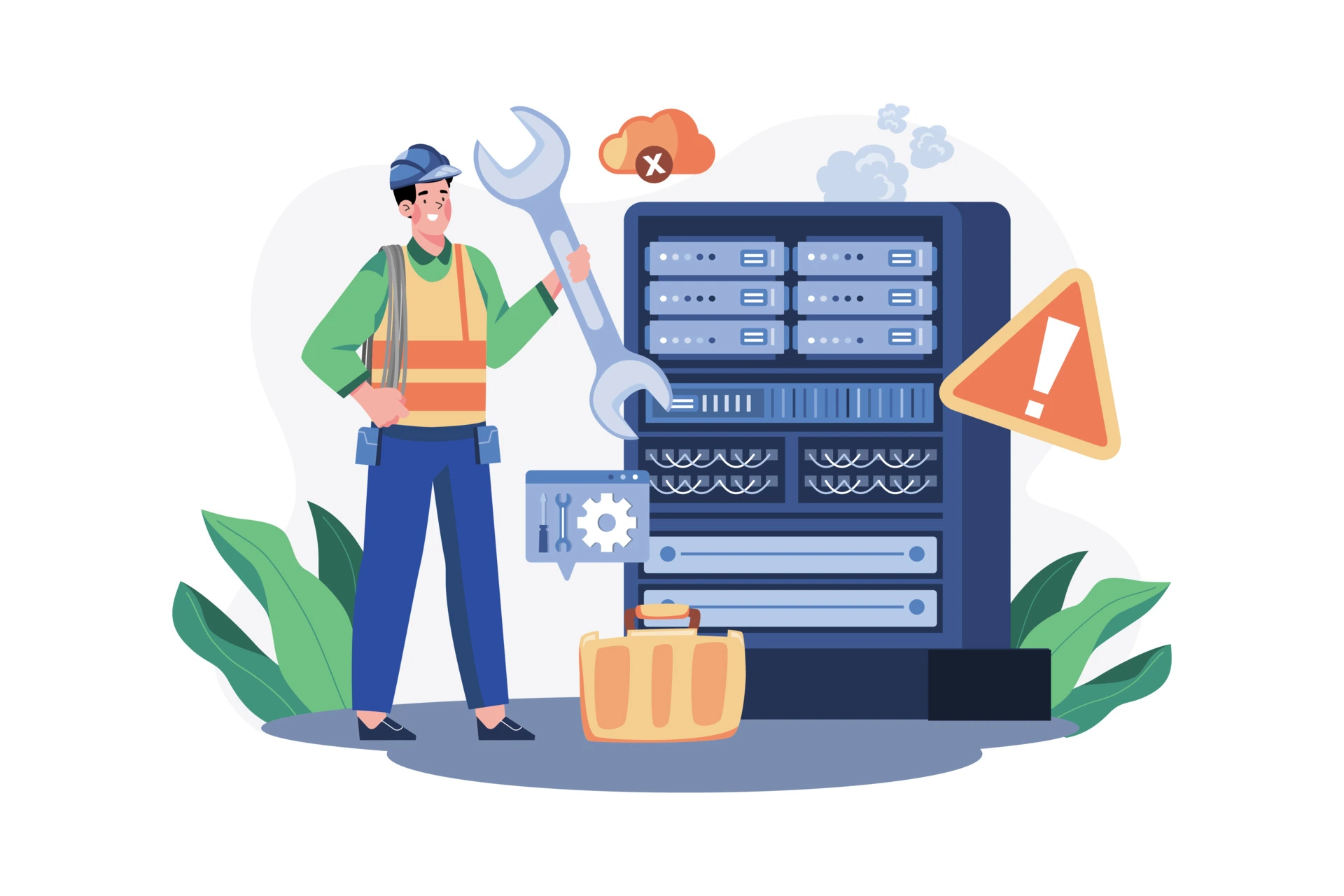

Conventional servers are hardwired servers. The server typically has one application, although it only may consume a small portion of the system. It is not easy to share resources such as CPU, memory, and storage.
In cloud computing, many virtual systems can be operated on the same physical machine with virtualization. This is the foundation of the modern models of cloud computing and it supports the concept of various types of cloud computing, including the public, private, and hybrid cloud computing.
Virtualization is used in cloud platforms to provide flexibility. Businesses have the freedom to decide the level of control required through the various models of cloud computing services such as Infrastructure as a Service (IaaS) and Platform as a Service (PaaS) and Software as a Service (SaaS).
Cloud platforms are also implemented with security. Effective Security practices and explicit cloud computing security architecture are useful in securing applications, users, and data. Depending on the security and compliance requirements, businesses can as well choose the appropriate cloud computing deployment models.


The terminology of clouds may look frightening. The terms such as service models, types of deployment, and security layers are not presented clearly all the time. Due to this reason, most businesses will not adopt cloud fast enough or even use all benefits of cloud computing.
Through virtualization in cloud computing, there is sharing of resources efficiently and centrally. Virtual machines are capable of being set up within minutes, are scaled when required and are secured using inbuilt security control measures. Various cloud computing service models are all based on this virtualized platform.
An effective cloud computing security architecture can guarantee protection of data both across the workloads and access points.


The real purpose of cloud technology is simplicity. Virtualization works quietly in the background so teams don’t have to worry about hardware limitations. This allows IT teams to focus more on applications and business goals.
These everyday benefits of cloud computing are why virtualization is so important.


Once you understand virtualization in cloud computing, cloud stops feeling complex. It becomes a flexible and secure way to run applications, store data, and grow without worrying about physical limitations.
Secure. Compliant. Scalable. Transform your healthcare data management with 10PB Healthcare Cloud Storage - designed for hospitals, labs, and clinics that value privacy and performance.
Request a free Counsultation